
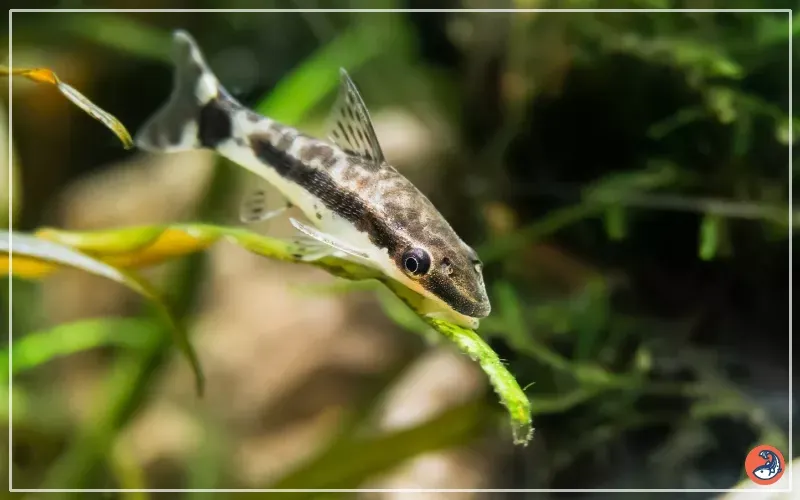
What Are Otocinclus Catfish?
Meet the otocinclus—the tiny janitor your aquarium never knew it needed. These miniature catfish (scientific name: Otocinclus spp.) are nature’s algae-cleaning crew, maxing out at just 2 inches but working harder than fish twice their size. Native to South American streams, they’re often called “otos” or “dwarf suckermouth catfish” for their adorable, vacuum-like mouths.
Why Aquarists Love Them
- Algae-eating machines: They specialize in soft algae and biofilm, leaving plants untouched (unlike some messy plecos).
- Nano-tank friendly: A group of 6 fits perfectly in a 10-gallon tank.
- Peaceful personality: Ideal for community tanks with shrimp or small fish.
But here’s the catch: Otocinclus are wild-caught (rarely bred in captivity), which means they often arrive stressed or starved. That’s why proper quarantine is non-negotiable—more on that later.
Fun Fact: Their scientific name comes from Greek “oto” (ear) and “cinclus” (curved), referring to their ear-shaped suction cups. No two otos have exactly the same spot pattern!
Why Otocinclus Are Perfect for Planted Tanks
Otocinclus are the secret weapon every planted tank keeper needs. While other algae eaters get lazy or destructive, these little catfish work tirelessly without damaging your aquascape. Here’s why they outshine the competition:
The Ultimate Cleaning Crew
- Precision algae removal: They expertly target soft green algae and diatoms while leaving plants pristine
- 24/7 workers: Unlike snails that sleep for days, otos graze constantly
- No plant damage: Their tiny mouths can’t chew leaves like plecos or snails
Space-Saving Superstars
Thrive in small tanks (perfect for 10-gallon setups)
Low bioload (6 otos = less waste than 1 mystery snail)
Peaceful coexistence with shrimp and nano fish
Pro Tip: Otos are biofilm specialists – they clean microscopic layers of gunk that other cleaners miss. This makes them ideal for:
- New tanks battling “brown algae” phases
- Shrimp tanks needing constant biofilm maintenance
- High-tech planted tanks where algae must be controlled gently
Real Talk: They’re not miracle workers. Otos need:
- Established tanks (3+ months old) with natural algae growth
- Supplemental feeding when algae is scarce
- Groups of 6+ to feel secure
Otocinclus Tank Requirements
Otocinclus may be small, but they demand specific conditions to thrive. Get these elements right, and you’ll have a happy, healthy cleaning crew.
Tank Size & Setup
Minimum Tank Size: 10 gallons (for 6 otos) – Yes, they’re tiny, but they need swimming space!
Larger Groups? Add 2 gallons per additional oto
Lid Required – They can jump when startled
Why Not Smaller?
- Small tanks swing in water parameters too easily
- Insufficient algae production to sustain them
Water Parameters (The Stability Sweet Spot)
| Parameter | Ideal Range | Danger Zone |
|---|---|---|
| Temperature | 72–79°F (22–26°C) | <68°F or >84°F |
| pH | 6.0–7.5 | <5.5 or >8.0 |
| GH | 4–12 dGH | <2 or >15 dGH |
| Ammonia/Nitrites | 0 ppm | >0.25 ppm |
Pro Tip: Otos hate sudden changes. When doing water changes:
- Match temp within 1°F
- Drip-acclimate new otos over 2+ hours
Tank Decor Essentials
- Substrate: Fine sand (they sift through it)
- Driftwood: Provides hiding spots and grows biofilm
- Plants: Java moss, anubias (broad leaves for resting)
- Flow: Gentle – sponge filters are ideal
Lighting: Moderate (helps algae grow for them to eat)
Check the links to buy
- Aquarium Filter: A small but powerful aquarium filter is a must. Look for one designed for small tanks (often labeled as a small aquarium filter) to keep your water clean and your fish healthy.
- Heater: If you’re keeping tropical fish, a fish tank heater is essential to maintain a stable water temperature around 75–78°F.
- Lighting: LED lights built into a tank hood are great for both aesthetics and plant growth.
- Thermometer: Helps you monitor the water temperature.
- Water Conditioner: Removes chlorine and harmful chemicals from tap water.
- Gravel/Substrate: Besides looking good, it’s necessary for beneficial bacteria.
- Test Kit: To monitor ammonia, nitrites, and nitrates—critical for tank cycling.
Common Setup Mistakes
Using coarse gravel (hurts their delicate bellies)
Overcleaning – Leave some algae on back/side glass
Strong current – They’re weak swimmers
Feeding Otocinclus: Beyond Algae
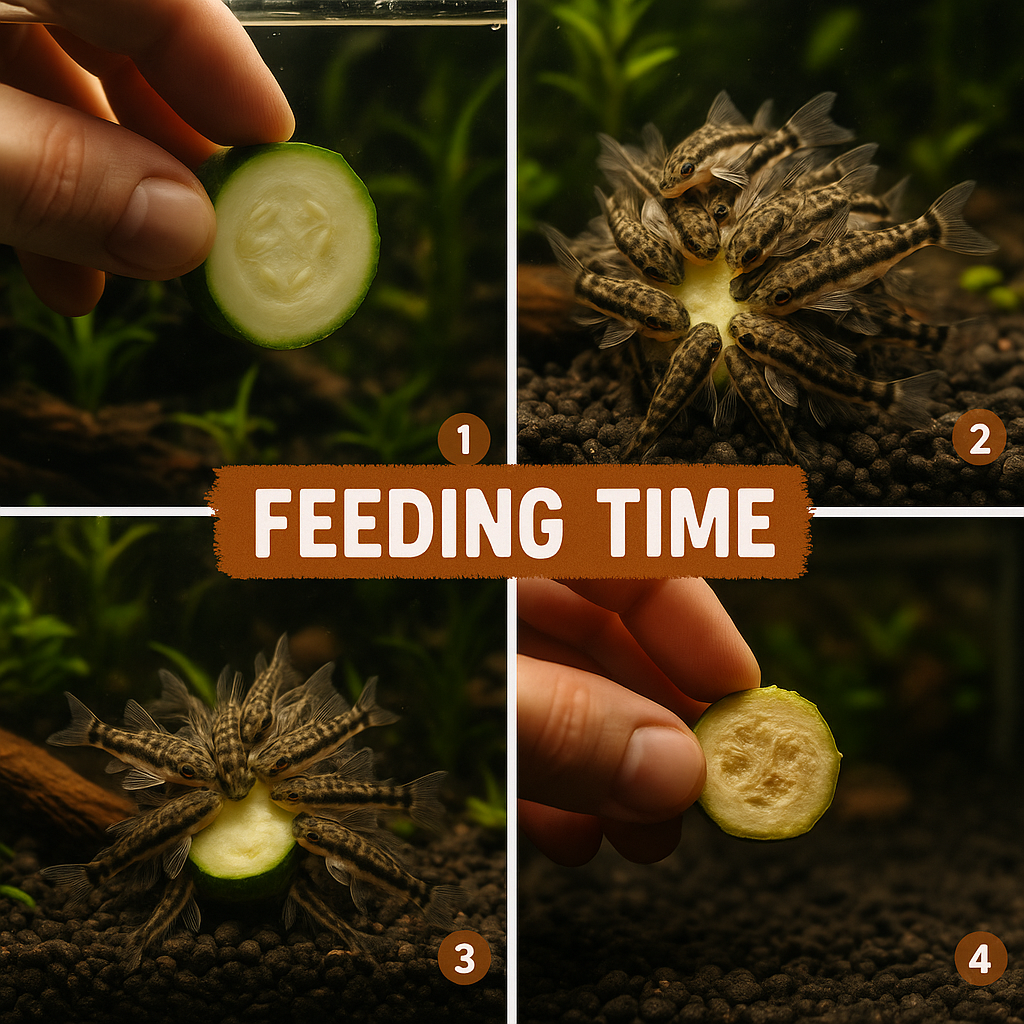
Here’s the hard truth—most otocinclus starve slowly in home aquariums. While they’re sold as “algae eaters,” tanks rarely grow enough algae to sustain them. Here’s how to keep yours plump and healthy:
The Ideal Otocinclus Diet
1. Primary Food (Daily):
- Repashy Soilent Green (the gold standard – spreads like algae)
- Algae Wafers (Hikari Algae Wafers, crushed small)
2. Supplemental Foods (2-3x Weekly):
- Blanched Vegetables: Zucchini (skin-on), cucumber, spinach
- Biofilm Boosters: Indian almond leaves, cholla wood
3. Emergency Rations:
- Bacter AE (for biofilm production)
- Spirulina Powder (mixed with tank water into a paste)
Signs Your Otos Are Starving
- Sunken belly (visible arch behind head)
- Lethargy (not grazing actively)
- Pale coloration
Act Fast: Starved otos often refuse food initially. Try:
- Turning off lights during feeding
- Smearing food on vertical surfaces (mimics algae growth)
- Target feeding with a pipette
Feeding Schedule
| Time | Food | Notes |
|---|---|---|
| Morning | Algae wafer fragment | Stick to glass |
| Evening | Repashy smear | Near hiding spots |
| Sundays | Blanched veggie | Remove after 4 hours |
Pro Tip: Otos forage at night. Leave a small piece of wafer in dark areas.
Deadly Feeding Mistakes
Assuming algae is enough (it rarely is)
Only feeding wafers (lacks variety)
Overfeeding veggies (can foul water)
Ideal Tank Mates for Otocinclus
Otocinclus are peacekeepers, not fighters—but their small size makes them vulnerable. Here’s how to build a safe, stress-free community around them:
Best Tank Mates
✔ Other Otos (6+ recommended—they school tightly)
✔ Small Tetras (Neons, Embers, Green Neons)
✔ Dwarf Shrimp (Cherry, Amano—otos ignore them)
✔ Micro Rasboras (Chili, Phoenix, Kubotai)
✔ Pygmy Corydoras (Bottom-dwelling buddies)
Why These Work:
- Similar size (1-2 inches)
- Non-competitive eaters
- Prefer the same water parameters
Risky But Possible
• Betta Fish: Only in heavily planted 20+ gal tanks
• Small Gouramis: Must be docile varieties (Honey, Sparkling)
• Snails: Nerites okay, but avoid large Mystery snails (compete for algae)
Monitor Closely: Any chasing or nipping means immediate rehoming.
Dangerous Pairings
✖ Large/aggressive fish (Angelfish, Cichlids, Goldfish)
✖ Fast-swimming bullies (Tiger Barbs, Danios)
✖ Predatory species (Pea Puffers, African Butterflyfish)
Pro Tip: Always introduce otos first to establish territory before adding other fish.
Common Health Issues
Otocinclus are hardy—until they’re not. Their small size means health problems escalate quickly. Here’s how to spot and treat the most common issues before it’s too late:
Top 3 Health Threats
- Starvation (Most Common Killer)
- Symptoms: Sunken belly, lethargy, pale color
- Fix: Immediate Repashy Soilent Green feedings 3x/day
- Ich (White Spot Disease)
- Symptoms: Salt-like grains on fins/body
- Treatment: Raise temp to 82°F + API Super Ick Cure (half dose for scaleless fish)
- Internal Parasites
- Symptoms: White stringy poop, bloating
- Medication: API General Cure (follow package directions)
Emergency Symptoms
- Spiraling/swimming upside down → Oxygen deprivation (add airstone)
- Red streaks in fins → Bacterial infection (use Maracyn)
- Rapid gill movement → Ammonia spike (test water immediately)
Quarantine Protocol (Mandatory for New Otos)
- Isolate for 2-3 weeks in a 5+ gallon tank
- Treat with:
- Seachem Paraguard (days 1-3)
- Fenbendazole (days 5-7 for parasites)
- Fatten Up with algae wafers + blanched zucchini
Pro Tip: Wild-caught otos often arrive with nematodes—deworm even if no symptoms appear!
Prevention Checklist
✔ Weekly: Test ammonia/nitrites
✔ Monthly: Supplement with garlic guard (immune booster)
✔ Always: Keep a hospital tank ready
Where to Buy Healthy Otocinclus
Buying otocinclus is risky—many arrive starved or diseased. Here’s how to source robust, healthy fish:
Trusted Sources
- Local Fish Stores (LFS): Ask when shipments arrive (buy same-day to avoid store stress)
- Reputable Online: Flip Aquatics, Aquatic Arts (quarantine before shipping)
- Aquarium Societies: Members often sell tank-bred juveniles
Red Flags
- “Assorted Algae Eaters” tanks (likely mixed with sick fish)
- Sunken-belly otos (already starving)
- No quarantine policy
Price Guide
- Wild-caught: $3-$5 each (higher mortality)
- Quarantined: $8-$12 each (worth the premium)
Pro Tip: Request a video of active, plump otos before purchasing online.
Also check – Bala Shark Care: Tank Size, Mates & Diet for Healthy Sharks
FAQ Section
Q: How many otocinclus should I keep together?
*A: At least 6—they’re schooling fish that stress alone. In 10+ gallon tanks, groups of 10+ display natural behaviors.*
Q: Can otocinclus live with bettas?
*A: Sometimes, in 15+ gallon heavily planted tanks. Monitor closely—bettas may attack otos, or otos may annoy bettas by cleaning their slime coat.*
Q: Why do my otocinclus keep dying?
A: Top causes: starvation (90% of cases), sudden water changes, or parasites. Quarantine new otos and supplement their diet aggressively.
Q: Do otocinclus eat hair algae?
A: Rarely. They prefer soft algae/biofilm. For hair algae, try Amano shrimp or Siamese algae eaters instead.
Q: How can I tell if my otocinclus are healthy?
A: Look for: plump bellies, active grazing, and intact fins. Healthy otos constantly move across surfaces.
Q: Can otocinclus live in cold water?
*A: No—they need 72-79°F. Below 68°F, they become lethargic and stop eating.*
Q: Do otocinclus breed in home aquariums?
A: Rarely. They require perfect conditions: soft acidic water, temp spikes, and specialized foods. Most available otos are wild-caught.
Q: Why are my otocinclus swimming erratically?
A: Usually water quality issues (test ammonia/nitrites immediately) or oxygen deprivation (add an airstone).
Final Thoughts
Otocinclus are rewarding but demanding—their small size hides big care requirements. To succeed:
- Start with a proper school (6+ in 10+ gallons)
- Supplement their diet daily (algae alone isn’t enough)
- Quarantine aggressively (wild-caught risks are real)
Ready to start? Buy from trusted sources, and your otos will thrive for years as nature’s perfect nano-tank cleaners.