What Is Java Moss?
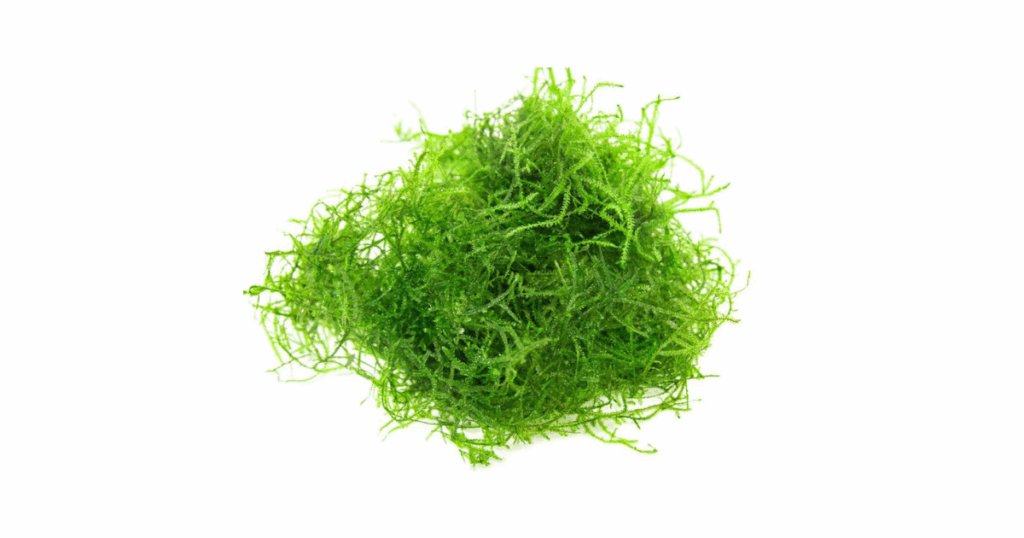
Java moss (Vesicularia dubyana) is the duct tape of the aquarium world—it sticks to anything, survives almost everything, and solves problems you didn’t know you had. This fuzzy green moss hails from Southeast Asia, where it grows like a lush carpet over rocks and submerged tree roots in humid riverbanks.
Why do aquarists obsess over it?
- It’s bombproof: Thrives in a neglected betta bowl or a high-tech aquascape.
- No roots needed: Unlike stem plants, it absorbs nutrients directly from the water.
- Shrimp babysitter: Its tangled fronds hide baby shrimp from hungry fish.
But here’s the kicker—java moss is often confused with christmas moss (which has symmetrical branches). Java moss is the wild child of the moss family: it grows in chaotic, feathery clumps and laughs at your “perfect aquascape” plans.
Pro Tip: If your java moss looks like a sad, brown tumbleweed, don’t panic. It’s likely just shedding old growth. New green tips will emerge in weeks!
Benefits of Java Moss in Aquariums
Let’s cut to the chase: java moss isn’t just decoration—it’s a functional powerhouse for your tank. Here’s why it’s worth the real estate:
1. The Ultimate Shrimp Safehouse
- Baby shrimp (and fry) vanish into its dense thickets, escaping predators.
- Amano and cherry shrimp graze on biofilm growing on its fronds—like an all-you-can-eat buffet.
2. Water Quality Ninja
- Studies show mosses absorb nitrates and ammonia—java moss can reduce toxins by 20-30% in lightly stocked tanks.
- Unlike mechanical filters, it won’t crash. Overfeed? Your moss just grows faster.
3. Low-Light Superstar
- Survives under a desk lamp: No fancy LEDs needed (though it grows denser with moderate light).
- Outcompetes algae: Its rapid growth starves hair algae of nutrients.
4. Stress Relief for Fish
- Bettas nap on its surface clumps.
- Skittish tetras dart through it instead of glass-surfing.
Real-World Hack:
One breeder used floating java moss to spike oxygenation in a crowded guppy tank—no air stone required.
Java Moss Requirements
Let’s debunk the myth: “Java moss grows anywhere!” Technically true—but give it the right conditions, and it transforms from surviving to thriving. Here’s how to unlock its full potential:
Lighting: Less Is More
- Ideal PAR: 20–50 (standard aquarium LEDs work).
- Avoid direct sunlight—it encourages algae to hijack your moss.
- Pro Tip: If your java moss grows long and stringy, it’s begging for more light.
Water Parameters: The Sweet Spot
- Temperature: 59°F–86°F (but 70°–75°F = fastest growth).
- pH: 5.0–8.0 (tap water is usually fine).
- Flow: Gentle current prevents debris buildup. No need for turbulent streams!
Substrate? Nah, Just Anchor It
Java moss doesn’t care about substrate. Attach it to:
- Driftwood (use super glue or thread).
- Lava rock (porous surface = better grip).
- Stainless steel mesh (for carpets).
Does Java Moss Need CO₂ or Fertilizer?
- CO₂: Not required, but liquid carbon (like Seachem Excel) boosts growth by 2x.
- Fertilizer: Thrives without it, but a squirt of all-in-one liquid ferts (e.g., Thrive) turns it into a jungle.
- If your java moss looks brown and mushy, test for ammonia spikes—it’s more sensitive to water pollution than people think!
Planting & Attaching Java Moss
Here’s the truth nobody tells beginners: Java moss doesn’t get planted – it gets styled. Whether you’re going for a natural driftwood look or a perfect carpet, here’s how to make it stay put (without losing your sanity).
The 3 Best Attachment Methods:
- Super Glue (Cyanoacrylate) Method(5 minutes, permanent hold)
- Dry the attachment spot slightly with a paper towel
- Apply small dots of glue (gel type works best)
- Press moss firmly for 20 seconds
- Pro Tip: Use glue sparingly – it turns white underwater if over-applied
- Fishing Line Technique(10 minutes, invisible hold)
- Wrap thread around driftwood/rock
- Use criss-cross pattern for even coverage
- Remove after 3-4 weeks when roots attach naturally
- Bonus: Dark green thread blends perfectly
- Mesh Carpet Creation(15 minutes, perfect for foregrounds)
- Sandwich moss between two stainless steel mesh sheets
- Use zip ties to secure edges
- Place on substrate – roots will grow downward
Common Mistakes to Avoid:
- Don’t smother moss under decorations (needs water flow)
- Avoid piling too thick (inner layers will rot)
- Never use copper-containing adhesives (deadly to shrimp)
Maintenance Made Simple:
- Weekly: Gently shake to remove debris
- Monthly: Trim with curved scissors (straight cuts look unnatural)
- Annually: Reattach overgrown sections for fresh growth
Troubleshooting:
“Why won’t my moss stay attached?”
- Too much current (reduce filter flow)
- Wrong surface (smooth glass needs glue)
- Fish/snails disturbing it (try different location)
“How long until it starts growing?”
Visible growth in 1-2 weeks, full coverage in 6-8 weeks
Pro Secret: For instant full look, layer multiple small pieces rather than one big clump. The gaps will fill in naturally!
Tank Mates & Compatibility
Java moss plays well with others… mostly. While it’s the ultimate team player for some species, certain tank mates will treat your lush moss like an all-you-can-eat salad bar. Here’s who to invite to the party:
Best Friends Forever:
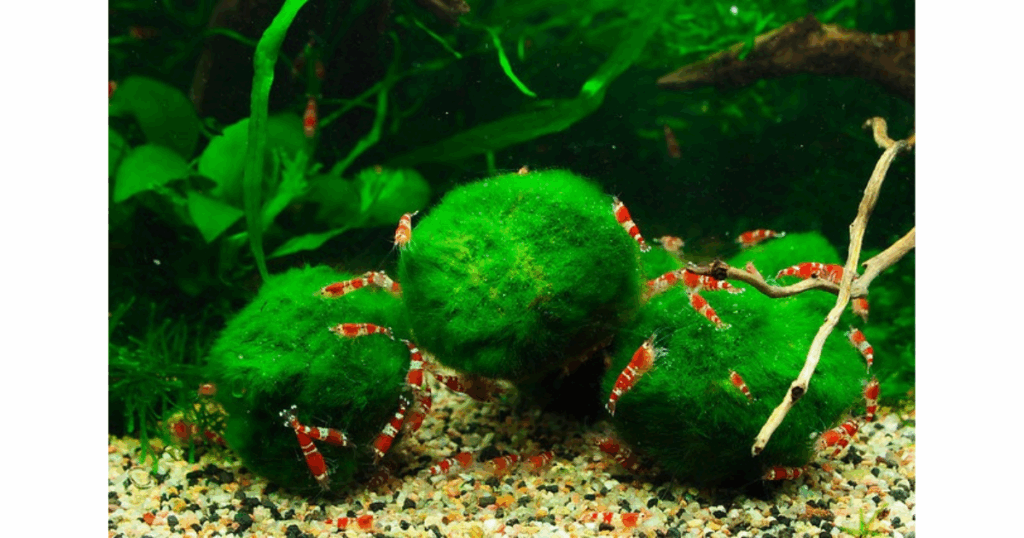
- Shrimp (All Varieties): Amano, cherry, and ghost shrimp adore java moss. It’s their playground, nursery, and snack station rolled into one.
- Small Peaceful Fish: Neon tetras, ember tetras, and chili rasboras weave through the fronds like living jewels.
- Bettas: Provides resting spots near the surface and reduces stress (though some grumpy males may rearrange it).
- Snails (Except One): Nerites, mysteries, and ramshorns clean algae without damaging moss.
The Trouble Makers:
- Goldfish: They’ll devour your moss overnight like it’s their last meal.
- Cichlids: Even dwarf varieties tend to uproot and shred moss.
- Apple Snails: The bulldozers of the snail world – they’ll flatten everything.
- Silver Dollars: Vegetarian fish see java moss as a gourmet treat.
Special Case – Livebearers:
Guppies and platies won’t harm moss, but their fry might get too good at hiding in it!
Pro Tip: If adding java moss to a community tank, start with golf-ball sized portions attached to multiple surfaces. This way if one area gets nibbled, you’ve got backups.
Warning Signs Your Tank Mates Aren’t Compatible:
- Moss fragments floating everywhere
- Bare patches appearing overnight
- Fish spending too much time “grazing” on the moss
Remember: Even compatible species might pick at java moss when underfed. A well-fed tank is a moss-friendly tank!
Maintenance & Troubleshooting
Java moss is the cockroach of aquarium plants – it’s nearly indestructible, but that doesn’t mean it can’t look like a hot mess. Here’s how to keep yours thriving instead of just surviving:
The Maintenance Routine (That Actually Works):
- The Monthly TLC:
- Trimming: Use curved aquarium scissors to thin out thick areas. Cut at angles for natural look.
- Cleaning: Gently swish clumps in a bowl of tank water (never tap water!) to remove debris.
- Reattaching: Floating pieces? Super glue them to new surfaces to expand your moss empire.
- Water Change Hack:
- During weekly changes, use a turkey baster to blast detritus out of dense moss patches.
- Pro Tip: Angle your filter output to create gentle flow through moss (but not strong enough to tear it).
Troubleshooting the Ugly Phase:
Problem: Brown/Yellow Moss
- Cause: Usually old growth or sudden parameter changes
- Fix: Trim dead parts, check for ammonia spikes, and be patient – new green growth will come
Problem: Hair Algae Invasion
- Cause: Too much light/nutrients
- Fix: Reduce lighting to 6 hours, add 5-10 Amano shrimp per 10 gallons
- Nuclear Option: 3-day blackout (cover tank completely)
Problem: Slimy White Film
- Cause: Bacterial bloom (common in new setups)
- Fix: Increase water changes, add extra aeration
The Secret to That “Lush Aquascape” Look:
- Rotate moss clumps monthly so all sides get equal light
- For carpeting, trim weekly to encourage horizontal growth
- Use toothbrush to gently remove any algae while preserving moss
When to Start Over:
If your java moss:
- Smells foul (not just “pond smell”)
- Is more brown than green after 2 months
- Has disintegrated into mush
Pro Prevention Tips:
- Quarantine new moss for 48 hours in separate container
- Always rinse store-bought moss before adding
- Avoid copper-based medications in moss tanks
Final Reality Check: Even “dying” java moss often comes back with proper care. Before you trash it, try moving it to a different tank – you might be surprised!
Where to Buy Healthy Java Moss
Not all java moss is created equal. I’ve seen “premium” moss arrive as brown sludge and “bargain” clumps explode with growth. Here’s how to get the good stuff:
Best Sources:
- Local Fish Clubs: Members often sell trimmings for cheap ($5-10 per sandwich bag)
- Specialty Online Retailers: BucePlant, Aquarium Co-Op (expect to pay $10-15 per portion)
- Etsy Sellers: Look for “pest-free” guarantees (worth the extra $3)
Red Flags to Avoid:
Moss sold in sealed plastic cups (often has mold)
No reviews mentioning “healthy growth”
Prices below $4 (usually tiny portions or poor quality)
Pro Tip: Ask sellers for recent photos under white light – vibrant green color doesn’t lie.
What You’re Really Paying For:
- Pest-free guarantee (no snail eggs!)
- Established growth (not freshly harvested)
- Clean roots (not full of debris)
Storage Hack: If you can’t plant immediately, store moss in a jar of tank water by a bright window for weeks.
FAQs
Q: How fast does java moss grow?
A: Under ideal conditions, java moss grows about 1–1.5 inches per month. Warmer tanks (75–80°F) and liquid carbon can double growth rates.
Q: Can java moss grow floating?
A: Absolutely! Floating java moss creates perfect shrimp hideouts and helps oxygenate the water. Just trim regularly to prevent it from blocking light.
Q: Why is my java moss turning brown/black?
A: Usually due to:
- Poor water quality (test ammonia/nitrites)
- Too much light (reduce to 6–8 hours/day)
- Old growth dying off (trim dead sections)
Q: Does java moss need fertilizer?
A: Not strictly necessary, but liquid fertilizers (like Thrive or Easy Green) make it grow thicker and faster.
Q: Can java moss grow out of water (emersed)?
A: Yes! Keep it in a high-humidity terrarium and mist daily. It grows slower but turns slightly darker green.
Q: Is java moss safe for all fish?
A: Mostly! Avoid goldfish, cichlids, or large herbivores—they’ll eat it.
Q: How do I make a java moss carpet?
A: Sandwich moss between stainless steel mesh and weigh it down. Trim weekly to encourage horizontal spread.
Q: Can java moss survive in cold water?
A: Surprisingly, yes! It slows down below 60°F but won’t die unless frozen.
Need more details? Drop your question below—we answer every one!